
By David Marino
After touring thousands of office buildings over the course of our careers, paying attention to details becomes second nature. Long before we discuss square footage, lease terms or build-outs, we’re reading the small signs. Those details are clues to bigger things: how ownership actually operates and what you can expect over the life of the lease.
It Starts Before We Walk Through the Front Door
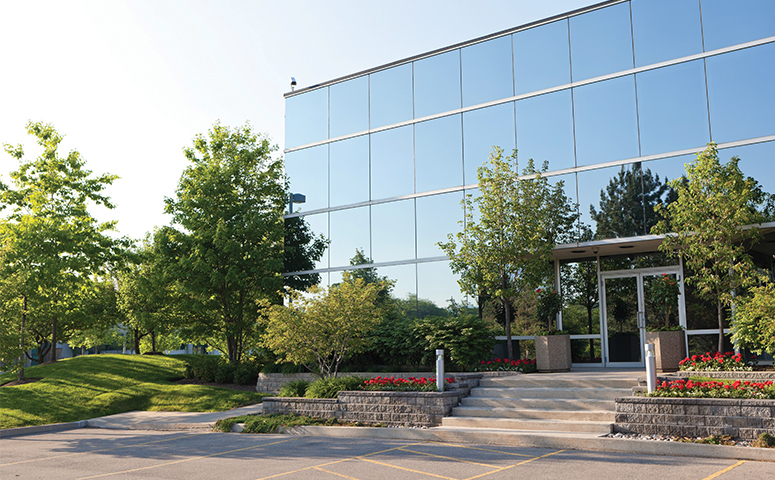
The tour begins in the parking lot, not the lobby. Does the building project the image our client wants? Is parking convenient or congested? Is it easy for employees, clients and visitors to find their way into the building?
From there, we’re paying attention to the condition of everything around us. I often compare it to the curb appeal of a home. The landscaping, exterior finishes and arrival experience all give you a sense of how much pride ownership takes in the property. We’re also looking at things that can’t easily be changed, like overgrown landscaping that blocks views or a neighboring building that permanently limits natural light. If maintenance has been deferred outside, there’s a good chance we’ll see similar patterns once we walk inside.
For industrial properties, we’re looking at many of the same things, just through a different lens. Some wear and tear from truck traffic is expected, but we’re paying close attention to the condition of the yard area, asphalt and concrete. We’re also looking at whether neighboring businesses are using their parking and truck storage areas appropriately.
The Common Areas Tell the Story
Before we ever enter the available space, we’re evaluating the building itself. We’re looking at the lobby, hallways, elevators, lighting, carpeting and restrooms. Are the elevators operating properly? Are the walls and common areas in good condition? Are the restrooms clean and well maintained?
None of those things alone determines whether a building is the right fit. Together, though, they tell us a lot. Within the first few minutes, you start to get a sense of how the property is managed and what you can expect over the course of a long-term lease. Your visitors read the same signals, forming an impression of your company before they reach your door.
Stained carpet, cracked tile, broken fixtures or deferred maintenance aren’t necessarily deal breakers, but they do tell us something. If visible maintenance has been deferred in the common areas, it’s reasonable to ask what the building will look like five or 10 years from now.
Look Past the Cosmetics
Once we step into the available space, we’re looking beyond the cosmetic finishes. Fresh paint and new carpet are relatively easy to replace. Are the ceilings and lighting current and code compliant? What condition are the plumbing fixtures, sinks and appliances in? That’s important because once you get beyond paint and carpet and start replacing lighting, ceilings, moving walls and plumbing, a build-out can easily cost three or four times more than a cosmetic update.
We’re also paying close attention to the orientation of the space, which deserves more consideration than it usually gets. In warmer climates, south- and west-facing windows can generate a tremendous amount of heat throughout the day, often forcing occupants to keep the blinds closed. North- and east-facing spaces typically provide more comfortable natural light, allowing employees to enjoy the daylight without the same heat and glare.
Who Else Occupies the Building?
One thing many tenants don’t think about is who they’ll be sharing the building with. We’re always analyzing whether the other tenants are compatible with our client. Medical offices, government agencies, call centers and other high-traffic users may be perfectly appropriate in one building, but they aren’t always the right fit for a financial services firm, law office or corporate headquarters. The tenant mix affects everything from traffic patterns, both on the road and in hallways, to the overall experience employees and visitors have each day.
Some Things Can’t Be Negotiated
Clients sometimes ask whether issues we notice in the common areas can simply be negotiated with the landlord. Sometimes they can. More often, those spaces serve the entire building and aren’t easily changed for a single tenant. More importantly, we’re not just evaluating whether a cracked tile or worn carpet can be replaced. We’re looking at what those details tell us about how the property has been managed over time.
Individually, these observations may seem minor. Together, they paint a much clearer picture of the building than the available space alone ever could. That’s why those first five minutes matter so much. A lease is one of the largest commitments a company will make, often lasting 10 years or more. Our job is to help clients understand not just the space they’re considering, but the building they’ll be occupying for years to come.
At Hughes Marino, we represent occupiers of space, not landlords. When we tour a property, our only interest is what that building will mean for our client’s business over the life of the lease. That’s the benefit of decades of experience and thousands of property tours: helping clients make one of the largest commitments their company will ever make with confidence.


